Dancing with Shackles
Dear Admonister,
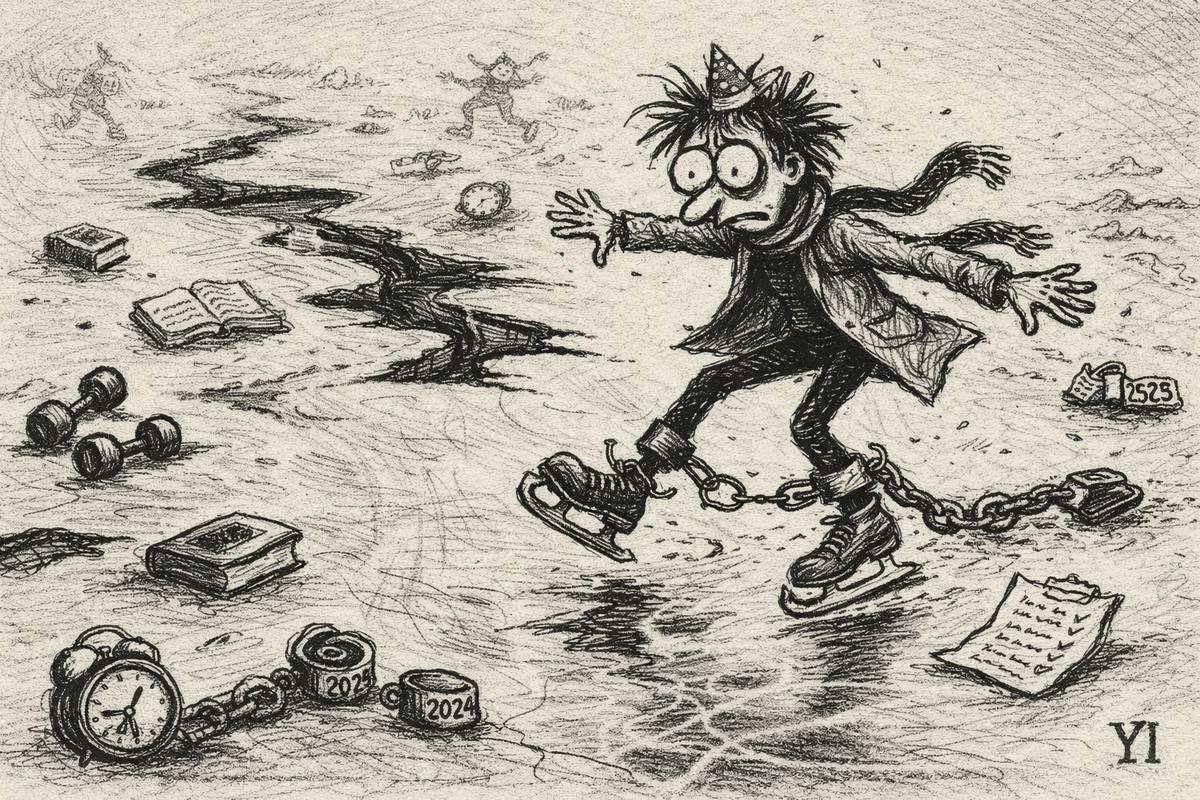
I have good New Year's resolutions. This year, I'll really lose those kilos, solve procrastination, and engage with that new hobby. Your scepticism can't touch me — you'll see!
Please admonish,
— Resolute Resolver
𝔇𝔢𝔞𝔯 Resolute Resolver,
I'd say I'm sceptical about your resolutions, but you pre-empted me. Your confidence and dedication are inspiring. How could I muster the scepticism?!
You would rather share your resolutions with all those people who are clearly interested in your self-promises and keeping you accountable. They would not feel like jealous hypocrites, because they follow through on their resolutions as well.
You still remember last year's resolutions — the similarity to the new ones is purely coincidental. They were a great success: they survived Blue Monday, work, the weather, and the holidays. You are wealthier, healthier, and happier now than you were a year ago — thanks to your admirable resolve. Well, no — we know this wasn't the case, but there was a "good reason" that was "out of your control". This year will be different!
Let's make this year's resolutions the most resolving ever! In fact, why stick with New Year's resolutions? Let's make resolutions per month, and work on them every evening. For your unwavering discipline, this should be easy.
And yet, you won't.
I understand, you know. Your calendar is always fully booked with ever stronger commitments. Resolutions are planned in a period of minimum inconvenience and maximum leeway. And still — anything can happen, you know? Who knows what the new year will bring?
In fact, strip away the timing, the promise, the audience — and what remains isn't commitment to effort, but ritualised self-absolution. The purpose of resolutions was never to effect change, but to permit yourself to feel different without doing anything differently.
You feel guilty about a past that didn't meet expectations. You feel you should be more in control of your life. However, resolving to do something doesn't assert control — it confesses the lack of it while feigning a solution. And so every new year's resolution compounds the chant of "I'll do better this time, I promise! No, I really will! No, but this time is different! ..."
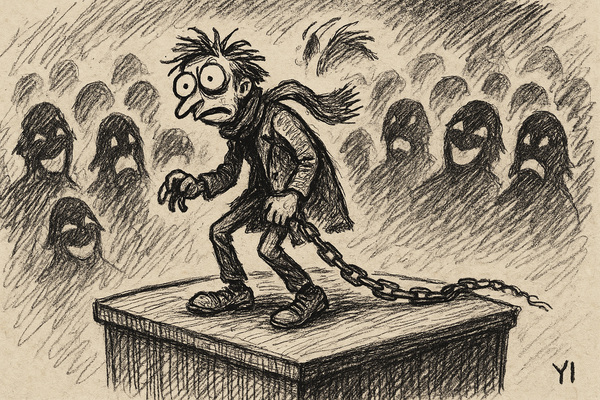
You are a slave to your personality — which you insist is malleable by sheer willpower. You promise to coerce yourself into a better shape — like a benevolent master would. Instead, your first act as master will be to pardon yourself for past inaction — and reinstate the old regime.
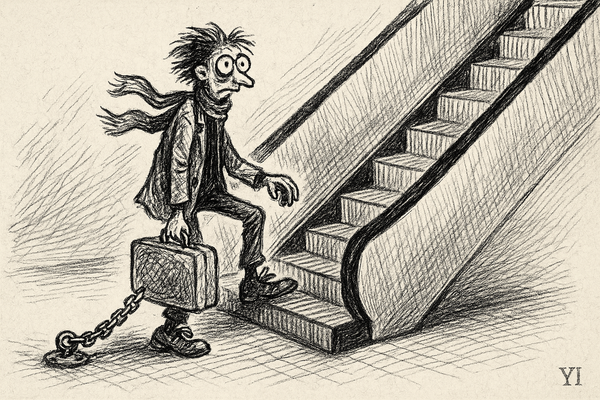
You want to change, but you also want to be good enough. You want to be free, but only in familiar territory. You want to commit to ideals, but only in ideal circumstances. So you resolve to polish your shackles and call it change.
Alternating between self-mastery and self-enslavement, you seek to own and obey your intentions. And yet, if intentions meet such resistance, should they really be?
See you next year.